Why Are Female Athletes Still Excluded from Concussion Research?
Writer: Alysha Dahya
Editor: Isabel Snare
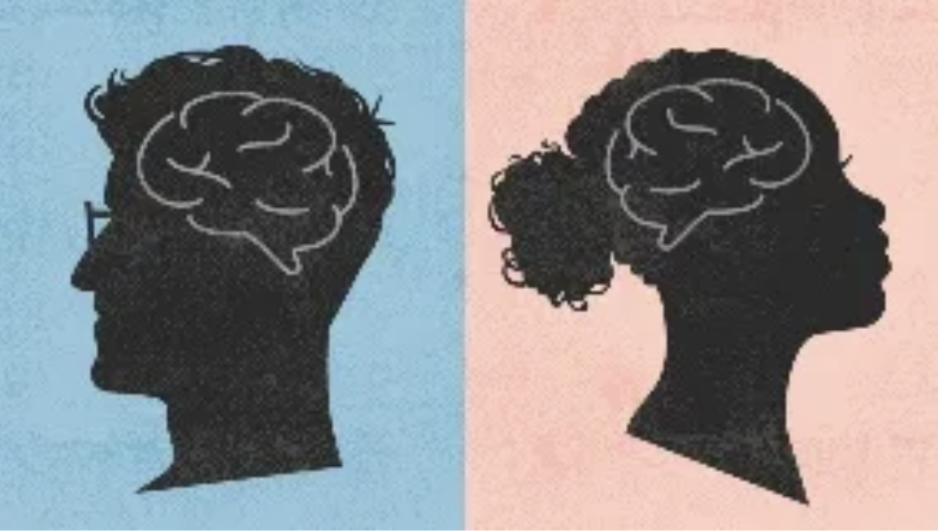
If female athletes experience concussions more often than male athletes in many sports, why does concussion research still ignore us?
A concussion occurs when the brain is rapidly shaken inside the skull following a hit or jolt to the head or body. This movement disrupts normal brain function, and can lead to symptoms such as headaches, dizziness, difficulty concentrating, and emotional changes. Signs of concussion may appear immediately or develop over several hours/days. Despite being one of the most common injuries in youth sports, many students misunderstand how serious concussions can be.
For young athletes in the Havergal community, understanding concussions matters because research continues to show that female athletes experience these injuries at higher rates than male athletes. However, despite this reality, most concussion studies still focus almost entirely on male athletes, leaving a major gap in how female concussions are recognized and treated.
Concussions can result from falls, collisions, and sudden impacts during sport but are most likely to occur during games or in similarly competitive situations. In Canada, about one in ten young athletes ends up at the doctor for a sport-related concussion every year. Almost 40% of them have already had at least one before (University of Calgary, 2023). That’s a lot, but if you’re a female athlete, the numbers are even higher. In many sports such as soccer, hockey, and basketball, female athletes experience concussions at comparatively higher rates than boys. High school stats back this up: for female athletes, concussions make up a larger share of all sports injuries. At the same time, the number of female athletes treated for concussions has tripled over the past twenty years (CBS News, 2021).
Despite these trends, concussion research still does not represent female athletes accurately. A major review found that 80 percent of sports concussion studies focus on males, and that 40 percent didn’t include a single female athlete (D'Lauro et al., 2022). Another analysis found that female participation in concussion studies has actually been decreasing by 25 percent each year (medRxiv, 2025). Most of the tools doctors use — and the guidelines for athletes to be able to return to play— are built on data from male athletes. This gap may mean they often miss the way female athletes experience symptoms or recover. This lack of understanding can cause doctors to misdiagnose concussions or misjudge when deciding whether someone is ready to get back in the game.
Several biological and biomechanical factors explain why female athletes may experience concussions differently. Studies show that female athletes often have less neck muscle mass, which can lead to faster head acceleration upon impact and increase vulnerability to injury. Additionally, research on brain structure suggests that female axons (nerve fibers) are sometimes more susceptible to shear forces. Imaging studies have also identified differences in functional brain connectivity following concussion in males and females. Hormones add another factor: concussions that occur during certain phases of the menstrual cycle may lead to more severe symptoms and longer recovery periods. These differences point to the importance of understanding female physiology, rather than assuming that female athletes respond in the same way as their male counterparts.
For female athletes, especially at all-girls schools like Havergal, with lots of female-only sports teams, this lack of research can interfere with physical health and impact play. If doctors and coaches are only looking for “male” symptoms, they might miss what’s really going on. Female athletes are more likely to report feeling emotional or mentally foggy, but those signs often get brushed off. The return-to-play rules are not always aligned with how female athletes really recover, and lots of athletes feel like they have to keep playing even when they’re still not ready. Without research that includes female athletes, it’s too easy for them to slip through the cracks.
Closing this research gap requires collaboration between scientists, schools, and athletes themselves. Researchers need to intentionally include more female athletes in concussion studies and develop assessment tools that consider female biology and symptom patterns. Schools such as Havergal can help by educating coaches, teachers, and student leaders about female-specific concussion signs so athletes receive more informed support. As well, encouraging open communication and removing stigma around reporting symptoms is essential. Most importantly, female athletes deserve to have their experiences reflected in the science that guides their care.
This issue isn’t just about making things fair. It’s also about keeping female athletes safe. When schools, communities, and researchers finally acknowledge that female athletes experience concussions differently, they will take a major step towards protecting female athletes. Only then can concussion care work for everyone.
References (APA)
CBS News. (2021). Gender gap in concussion research leaves female athletes struggling.
https://www.cbsnews.com/news/gender-gap-sports-concussion-research-female-athletes-struggling/
D'Lauro, C., et al. (2022). Systematic review of female athletes in concussion research. British Journal of Sports Medicine.
https://bjsm.bmj.com/
Duffy, C., et al. (2021). Hormonal influences on concussion recovery. Journal of Head Trauma Rehabilitation.
https://journals.lww.com/headtraumarehab/
ESPN. (2017). Why does it seem like nobody cares about female concussions?
https://www.espn.com/espnw/story/_/id/19775123/why-does-seem-cares-female-concussions
Master, C., et al. (2021). Sex-based differences in concussion biomechanics.
https://pubmed.ncbi.nlm.nih.gov/
medRxiv. (2025). Female athlete representation trends in concussion studies.
https://www.medrxiv.org/content/10.1101/2025.04.15.25325892v1
Public Health Infobase. (2024). Concussion and brain injuries in Canadian children and youth.
https://health-infobase.canada.ca/datalab/head-injury-interactive.html
ScienceDirect. (2023). Concussion in female athletes.
https://www.sciencedirect.com/science/article/abs/pii/S1060187223000527
University of Calgary. (2023). Concussion affects 1 in 10 youth athletes every year.
https://ucalgary.ca/news/concussion-affects-1-10-youth-athletes-every-year-heres-what-needs-change
Vedung, F., et al. (2022). Sex-based differences in functional connectivity after concussion.
https://pubmed.ncbi.nlm.nih.gov/