The Truth Behind the Beauty Industry
Did you know that the average person spends over $2,000 on beauty products and services per year? From acrylic nails to hair appointments to makeup, the beauty industry thrives in a society willing to pay any price for it. The beauty industry has negatively shaped society by encouraging harmful behaviours, creating impossible beauty standards, and promoting overconsumption and waste.
First, harmful habits and behaviours are encouraged by beauty companies. By advertising with models boasting unrealistic proportions or facial features, it encourages people, and especially young people, to commence unhealthy behaviours. These behaviours can include dieting and surgery, both of which, particularly when done at a young age, can lead to health problems. Additionally, excess beauty product usage proves unhealthy; young people have taken to excessive amounts of skincare products, many of which are designed to treat aging - not young - skin. Because these products contain harsh ingredients, there has been a drastic rise in injuries related to facial rashes, chemical burns, and dermatitis. Skincare products causing such reactions in young people include retinol, exfoliating acids, parabens, and sulfates.
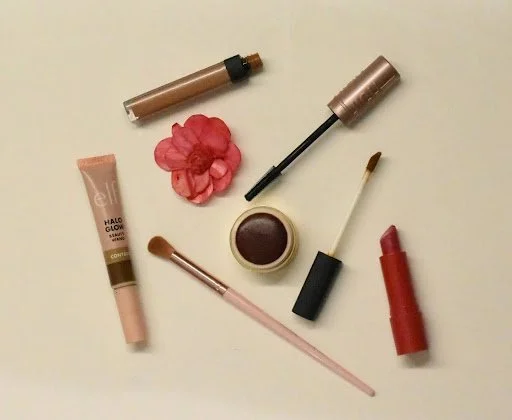
Crucially, the beauty industry creates impossible beauty standards. Through online touch-ups, surgeries, and filters, it’s nearly impossible to tell what is real. By advertising products that supposedly give you this “perfect” beauty, companies have taken to exploiting insecurities for profit. Companies can sell you almost anything to “fix” what is supposedly “wrong” with you; skincare for your acne, contour for your “baby face”, relaxer for your curly hair, and nails for your plain (natural) hands. While using these products can be a form of self-expression and confidence for many people, using them for the wrong reasons (to attempt to “fix” yourself) can lead to poor self-esteem and mental health issues. As such, insecurities are used as a sales tactic to encourage those with poor self-esteem to buy beauty products.
Lastly, beauty products vastly contribute to overconsumption and waste. Up to 95% of beauty packaging is thrown away rather than recycled. A serious contributor to this extreme amount of waste is what is known as “hauls”. Hauls are large collections of items bought all at once, usually bought from fast-fashion companies or makeup stores. Most of the time, these products are new ones to replace what someone already has, even if the previous products weren’t fully used up yet. Often, these purchases are impulsive, aesthetic-based, and rarely actually used to their full potential of wear. Instead, they are destined to be replaced by future hauls and impulsive purchases. In an industry that is so profit-driven, these hauls are celebrated, even advertised, as normality - as something that absolutely everyone should do. And because they are so normalised, it has become a trend prioritising waste and overconsumption. Hence, the beauty industry promotes overconsumption as an aesthetic trend.
In conclusion, the beauty industry encourages behaviours that can cause health issues, takes advantage of insecurities for sales, and promotes overconsumption as an aesthetic trend. In a world where beauty is so prized, it also has a dark side - one of health deterioration, exploitation of insecurities, and excessive waste. So maybe next time you’re shopping in Sephora, think of the consequences of every purchase you make.